The Migration Collective

Research With Communities, Not On Them

Since 2017, The Migration Collective has pioneered participatory research methodologies that center migrant and survivor voices in knowledge production about irregular migration across South Asia, MENA, and beyond.

Our Research Practice

We don't study communities — we work with them. Our research is:

01

Survivor-Centered

Co-designed with those who hold lived expertise

02

Trauma-Informed

Built on principles of safety, trust, transparency, and healing

03

Decolonial

Challenging who gets to be an "expert" on migration and who benefits from that knowledge

04

Methodologically Innovative

From healing circles to participatory mapping to "forgetting as resistance"

05

Accountable

Knowledge that serves the communities who created it, not just academic careers

Our Commitments

We commit to working with communities through:

Co-Design From The Start

Research questions shaped together, not imposed

Ongoing Consent

Not just one-time permission, but continuous conversation

Shared Ownership

Communities decide how their knowledge is used

Reciprocity

Ensuring our work serves those who participate in it

Healing-Centered Approaches

Research that doesn't re-traumatize

Research Themes

Migration & Mobility

Working with communities navigating irregular migration, smuggling networks, displacement patterns, and transnational movement to understand their experiences on their own terms.

Gender & Migration

Engaging with the gendered dimensions of migration, women's migration experiences, and masculinities in trafficking vulnerability through participatory approaches.

Climate & Displacement

Partnering with communities facing climate-induced migration, coastal displacement, and environmental injustice to document impacts and co-create responses.

Our Methodologies

The Migration Collective has developed and adapted participatory research methods that center community expertise:

Healing Circles

Group-based approaches that create safe spaces for sharing experiences while building collective understanding and mutual support

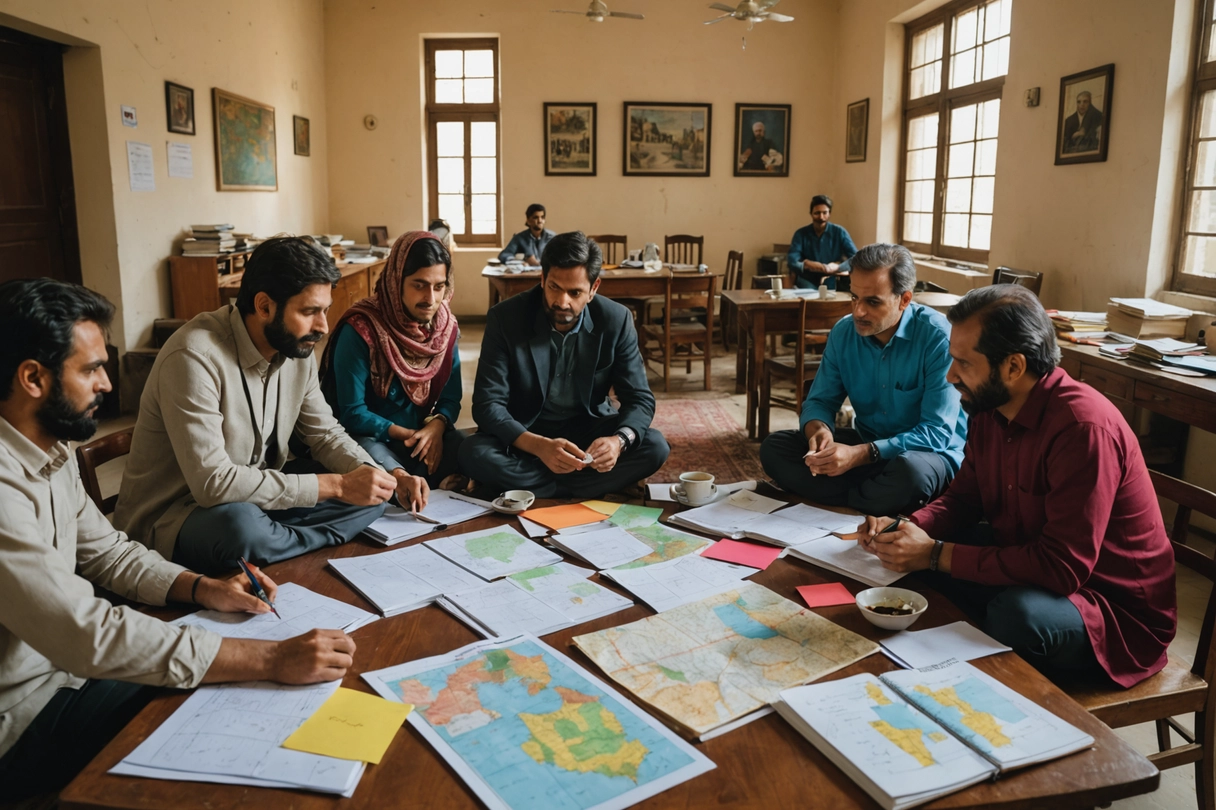
Participatory Mapping

Community-created visual representations of migration routes, networks, and experiences that challenge official narratives

Oral Histories

Long-form storytelling that honors complexity and allows people to narrate their experiences on their own terms

Community-Based Research Collectives

Training community members as co-researchers who shape questions, collect data, and interpret findings

Forgetting As Resistance

Respecting communities' right not to share, recognizing that some knowledge should remain within communities

Arts-Based Methods

Using photography, animation, and visual storytelling to make research accessible and honor non-textual forms of knowledge

Writing & Animation

Our research extends beyond traditional academic outputs. We work with communities to create:

  • Long-form narrative writing that honors complexity and dignity
  • Visual storytelling and animation co-developed with communities
  • Interactive installations engaging publics through embodied migration narratives
  • Community-authored publications platforming voices typically excluded from "expert" discourse

Research Partnerships

We welcome research partnerships with organizations and institutions committed to:

  • Community-centered methodologies
  • Trauma-informed practice
  • Equitable research relationships
  • Knowledge that serves participants